

The Story Behind Indian Dupattas: More Than Just a Fabric

Historical Significance of Dupattas
The dupatta has a rich historical significance that is deeply interwoven with the cultural fabric of India. Tracing its origins back to ancient civilizations, this versatile piece of clothing has been an integral part of traditional attire for centuries. Evidence suggests that the use of dupattas can be linked to the Indus Valley Civilization, where figurines depicting women draped in shawl-like garments have been discovered. This indicates the potential role of dupattas as a symbol of modesty and grace from the very beginning of Indian history.
Throughout the ages, the dupatta has transcended mere functionality to become a potent symbol of femininity. It has been embraced by women across various regions, adapting to the customs and traditions of each culture. Historical texts and literature often praise the dupatta as an essential component of a woman’s wardrobe, evoking a sense of elegance and dignity. Furthermore, during key historical events, such as the freedom struggle, the dupatta emerged as a symbol of empowerment, where women used this attire to express their agency and identity.
<p
Cultural Representation and Symbolism
Dupattas hold significant cultural representation and profound symbolism across various regions in India. This versatile piece of fabric transcends mere fashion, serving as a reflection of the distinct identities and customs from which it originates. Each region boasts its unique styles and draping techniques, which are deeply embedded in the local traditions, climates, and social norms. For instance, the long, flowing dupattas from the Punjab region illustrate a vibrant, joyful ethos, often adorned with intricate embroidery and vibrant colors, while the simpler yet elegant designs from Gujarat may offer a more understated cultural expression.
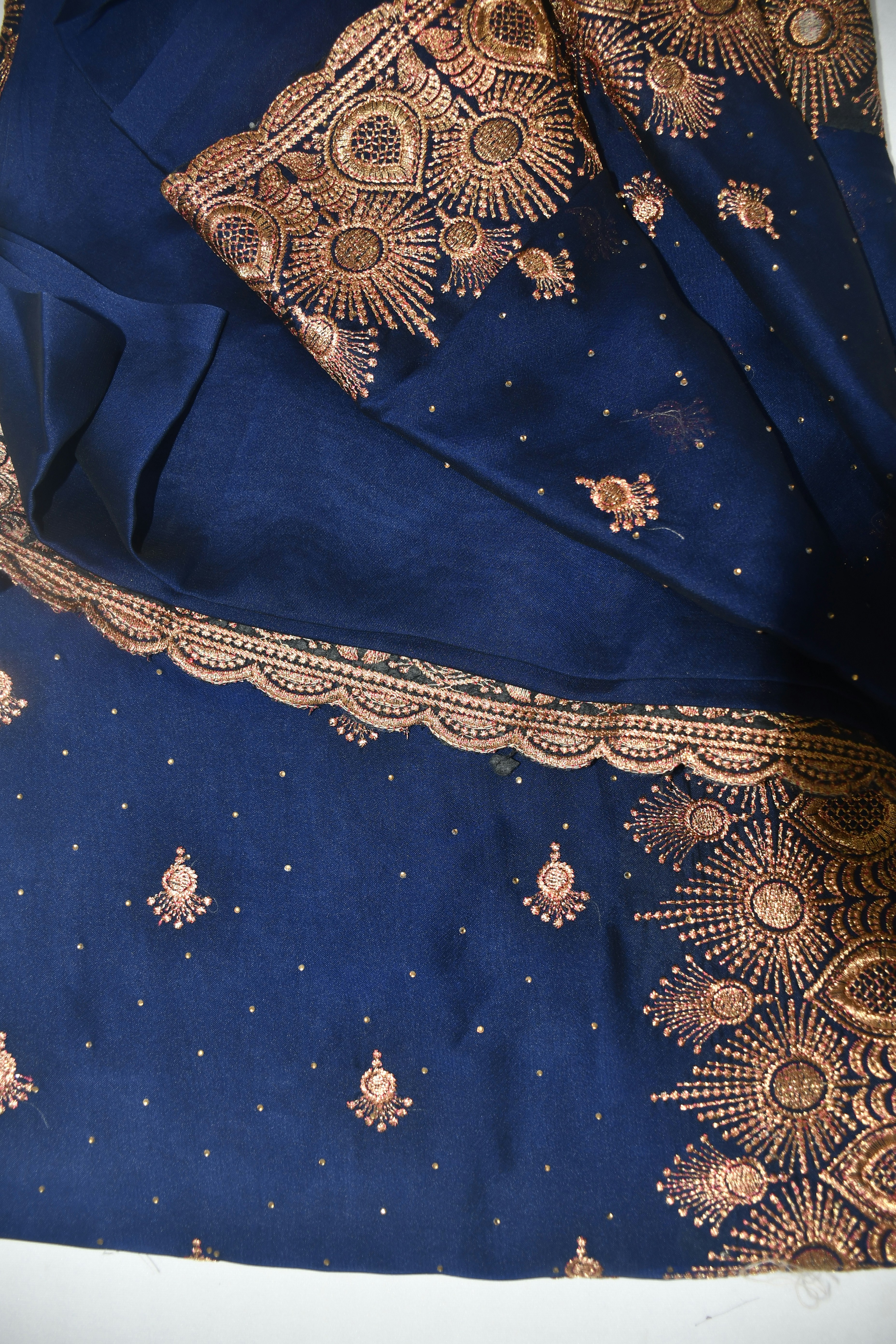
Colors and patterns play a pivotal role in infusing dupattas with cultural meaning. Traditionally, specific hues are associated with societal significance and occasions. For example, red dupattas are commonly worn during weddings as a symbol of love and fertility, while white dupattas often represent purity and mourning. Additionally, intricate patterns like block prints, tie-dye, and zardozi work can allude to not only aesthetic appeal but also the cultural heritage intrinsic to each style. These elements not only enhance the visual beauty of the dupatta but also connect the wearer to their cultural lineage.
Moreover, dupattas can denote social status and individual emotions, acting as a medium for expressing personal identity. In many communities, the choice of texture and material—whether it be silk, cotton, or linen—often indicates the wearer’s socioeconomic standing. In essence, dupattas embody a rich tapestry of meaning, intertwining heritage, emotion, and social commentary, making them a vital symbol in the Indian cultural landscape. By embracing and adorning dupattas, individuals make a statement of pride in their roots, affirming the beauty and significance of their heritage.
Dupattas in Contemporary Fashion
The role of dupattas in contemporary fashion has significantly evolved, becoming a symbol of versatility and cultural representation. Historically anchored in tradition, the dupatta is no longer merely a component of ethnic ensembles; it has been reimagined to effortlessly blend with modern aesthetics. Designers are increasingly experimenting with fabrics, patterns, and draping techniques, allowing dupattas to be integral to outfits that cater to the dynamic tastes of millennials and Gen Z audiences.
Modern interpretations have seen dupattas styled with contemporary attire, such as dresses, skirts, and even casual wear, showcasing their adaptability. The fashion industry has witnessed a plethora of fashion shows where dupattas feature prominently, often styled in innovative ways that highlight their fluidity and charm. For instance, during the recent Lakme Fashion Week, several designers presented collections where dupattas were styled as shawls or oversized scarves, illustrating their multifunctionality.
In addition to runway displays, celebrity endorsements have played a crucial role in propelling dupattas into the limelight. Fashion icons and influencers have been spotted embracing dupattas in their wardrobes, whether paired with chic western outfits or fusion wear. This elevation of the dupatta aligns with broader global fashion trends, as the garment transcends cultural boundaries to emerge as a fashionable choice for various demographics.
Street style has also contributed to the resurgence of dupattas, as they are increasingly adopted by young fashion enthusiasts who experiment with layers and textures. The infusion of dupattas into everyday fashion serves as a testament to their enduring relevance and functionality. This contemporary approach not only preserves the cultural essence of the dupatta but also celebrates its capacity to adapt and resonate with modern sensibilities. In this way, dupattas continue to hold a significant place in the evolving landscape of global fashion.
Craftsmanship and Artistry Behind Dupattas
The creation of dupattas represents a meticulous craftsmanship that transforms fabric into a work of art. Across various regions in India, each style of dupatta embodies unique techniques that highlight the cultural heritage of its origin. In Kanchipuram, for instance, the traditional weaving technique known as “kappa” is leveraged to craft exquisite silk dupattas. These dupattas often feature intricate patterns and motifs that retain the aesthetic appeal sought after by many. Similarly, in Banaras, artisans engage in the centuries-old craft of brocade weaving. The labor-intensive process calls for skilled hands that meticulously weave gold and silver threads into vibrant silk, resulting in dupattas that are not only stunning but also exude an air of regal charm.
In Punjab, embroidery takes center stage in the creation of dupattas, particularly through the use of “phulkari” techniques. This method involves creating elaborate floral designs using bright, colorful threads, giving the dupatta its distinctive look. However, it is essential to recognize the artisans behind these crafts—their dedication and skills reflect years of training and familial tradition. Despite their expertise, these artisans face numerous challenges, including the threat posed by mechanization and the loss of traditional methods due to globalization.
The importance of preserving these traditional crafts cannot be overstated, as they are integral to India’s rich textile heritage. Today, there is a growing movement towards sustainable practices within the dupatta production industry. Artisans are embracing eco-friendly materials and organic dyes, allowing them to innovate while remaining true to their roots. Initiatives aimed at promoting fair trade also emphasize the value of these crafts, ensuring that artisans receive equitable compensation. As these practices evolve, the enduring legacy of dupattas continues to thrive, symbolizing not merely a piece of fabric but a rich tapestry of artistry passed down through generations.


