

Saree Draping Styles Every Woman Should Try

Introduction to Saree Draping
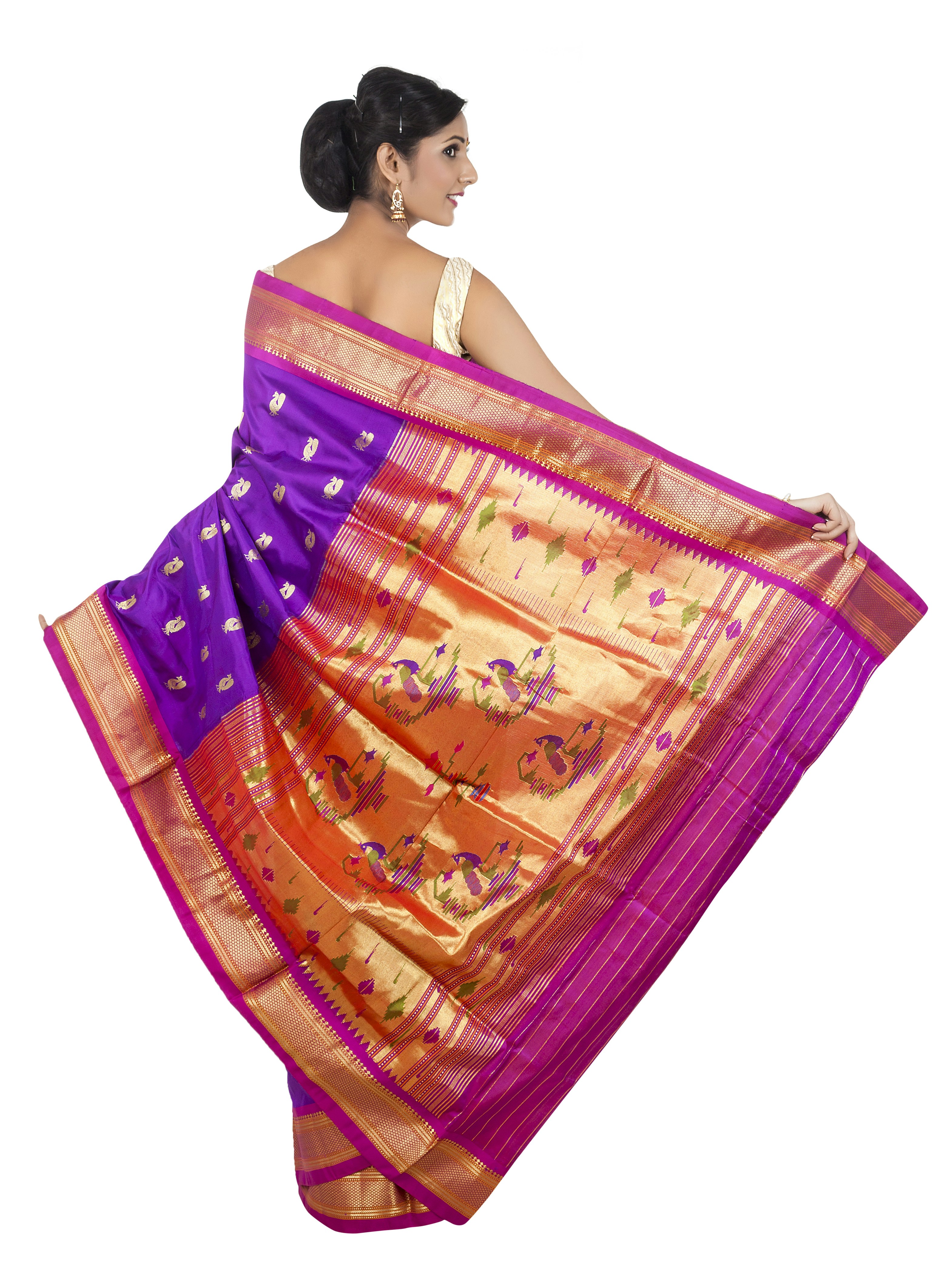
The saree is an iconic garment that has stood the test of time, serving as a symbol of cultural heritage and personal expression across various regions of India and beyond. This elegant piece of fabric, typically ranging from five to nine yards in length, is not merely clothing; it is a canvas for showcasing individual style, tradition, and artistry. Each saree draping style tells a story, reflecting the wearer’s personality, cultural background, and even the occasion being celebrated.
Across the diverse landscape of India, the way a saree is draped often varies tremendously. Each region boasts its own unique draping techniques, which are often steeped in tradition and local customs. For instance, the Nauvari style from Maharashtra allows for ease of movement and is particularly favored by women engaged in daily work while the Banarasi saree draping reflects the rich weaving heritage of Varanasi. This versatility not only allows women to express themselves creatively but also enables them to adapt to different settings—from festive celebrations and weddings to everyday, casual environments.
Furthermore, the saree can be personalized through the choice of fabric, color, pattern, and embellishments, which can transform it into a statement piece for any occasion. Whether it is a vibrant silk saree for a wedding, a light cotton saree for a summer gathering, or a heavily embroidered piece for a festive celebration, the saree is a timeless garment that resonates with women from all walks of life. Thus, understanding the various saree draping styles available can empower women to embrace their heritage while enhancing their contemporary wardrobe, creating a beautiful blend of tradition and modernity that continues to inspire generations.
Classic Draping Styles
Traditional saree draping styles have long been an integral part of Indian culture, reflecting regional variations and unique aesthetics. Among these, the Nivi drape stands out as one of the most popular and widely adopted styles. Originating in Andhra Pradesh, the Nivi drape is characterized by its simple yet elegant pleating technique. The saree is wrapped around the waist, with one end draped over the shoulder, creating a chic silhouette that is perfect for a variety of occasions, from formal events to festive celebrations. To achieve the Nivi drape, it is essential to select lightweight fabric and pair it with matching accessories such as a statement necklace and classic heels.
Moving towards the western part of India, the Maharashtrian drape showcases a distinctive style that reflects the tradition of Maharashtra. This style involves tucking the saree securely at the waist and forming a series of pleats, which results in a comfortable and practical appearance, suitable for both everyday wear and celebratory gatherings. Unique details such as the addition of a ‘nath’ (nose ring) and intricate bangles enhance the overall aesthetic. For footwear, traditional Kolhapuri sandals can complement this outfit beautifully.
Another notable saree draping technique is the Bengali drape, which is rich in history and cultural significance. This style encompasses a unique method where the saree is draped with a longer pallu, usually adorned with intricate motifs. The Bengali drape is often paired with traditional jewelry, such as the ‘shakha’ and ‘pola’ bangles, and is ideally suited for festive occasions like Durga Puja or weddings. When opting for this drape, selecting a silk saree with vibrant colors can enhance the regal appearance, while comfortable juttis complete the look. By exploring these classic saree draping styles, women can embrace their heritage and express their individuality with grace and elegance.
Modern and Trendy Draping Styles
In recent years, the saree has undergone a remarkable transformation, evolving from traditional attire to embody contemporary fashion trends. Among the most celebrated modern draping styles are the Dhoti drape, Pants saree, and Cape saree. These innovative interpretations demonstrate how classic fabrics can be creatively styled to reflect current sartorial sensibilities. Each draping style not only maintains the elegance of the saree but also infuses a refreshing modernity that appeals to fashion-forward women.
The Dhoti drape, reminiscent of traditional Indian menswear, is characterized by its relaxed fit and comfortable silhouette. It allows for ease of movement while enhancing the overall look. To style this drape, one can opt for fabrics like chiffon or silk, and pair it with a fitted blouse or crop top for a chic effect. Accessorizing with statement earrings or a trendy belt can further elevate the look, making it suitable for both casual outings and festive occasions.
Another trending style is the Pants saree, which cleverly combines the saree with tailored pants. By draping the saree over trousers, this style offers a unique blend of comfort and sophistication. It is ideal for women seeking a contemporary look without compromising on cultural roots. Versatile enough for office wear or evening functions, the Pants saree can be paired with a structured blouse or a stylish jacket. Completing the look with elegant footwear amplifies the overall aesthetic.
Lastly, the Cape saree exudes a dramatic flair through the addition of a cape that drapes over the saree. This modern silhouette works particularly well for special occasions, transforming the traditional saree into a statement outfit. A vibrant, embellished cape can contrast beautifully with a simple saree, allowing for an eye-catching appearance. Accessorizing with bold jewelry and selecting complementary colors enhances the sophistication of the ensemble.
These modern draping styles not only showcase the versatility of the saree but also encourage women to explore and express their unique fashion sense confidently. Incorporating traditional essence with modern flair can result in a stunning look, perfect for any event.
Care Tips for Your Sarees
Caring for sarees is crucial not only for maintaining their aesthetic appeal but also for ensuring their longevity. Different saree fabrics require unique care approaches; therefore, understanding the specific needs of each type is essential. For instance, silk sarees are delicate and should ideally be dry cleaned to preserve their luster and texture. If washing is necessary, it is recommended to use cold water and a mild detergent, while ensuring that the saree is not excessively wrung out, as this can lead to wrinkles and damage.
Cotton sarees, on the other hand, are more durable and can generally withstand machine washing. It is best to wash them in cold water with a gentle detergent. To avoid fading, it is advisable to air dry them away from direct sunlight. Synthetic sarees made from fabrics like polyester can typically be hand-washed or machine washed on a delicate cycle, requiring similar care to cotton sarees. Always check the care label for specific instructions regarding the care of your saree.
Ironing techniques also play a significant role in maintaining the appearance of sarees. For silk sarees, it is best to iron them on a low heat setting while placing a cotton cloth between the saree and the iron to prevent scorching. In contrast, cotton sarees can be ironed on a higher setting when slightly damp for a crisp finish. Storage should not be overlooked either; sarees should be folded neatly and stored in a breathable fabric bag to avoid dust accumulation and potential damage.
Moreover, proper draping techniques help in minimizing wear and tear on sarees. A well-draped saree reduces chances of snagging and shifting, thus prolonging its life significantly. Ultimately, following these care tips will not only help maintain the quality of your sarees but also keep them looking fresh and vibrant for years to come.


